
Table of Contents
Reducing plastic use has become a global consensus
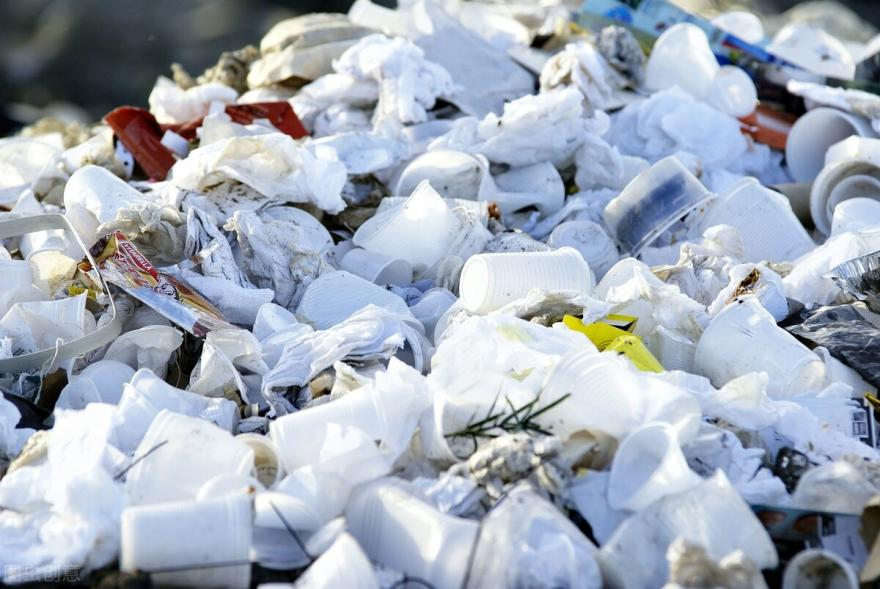
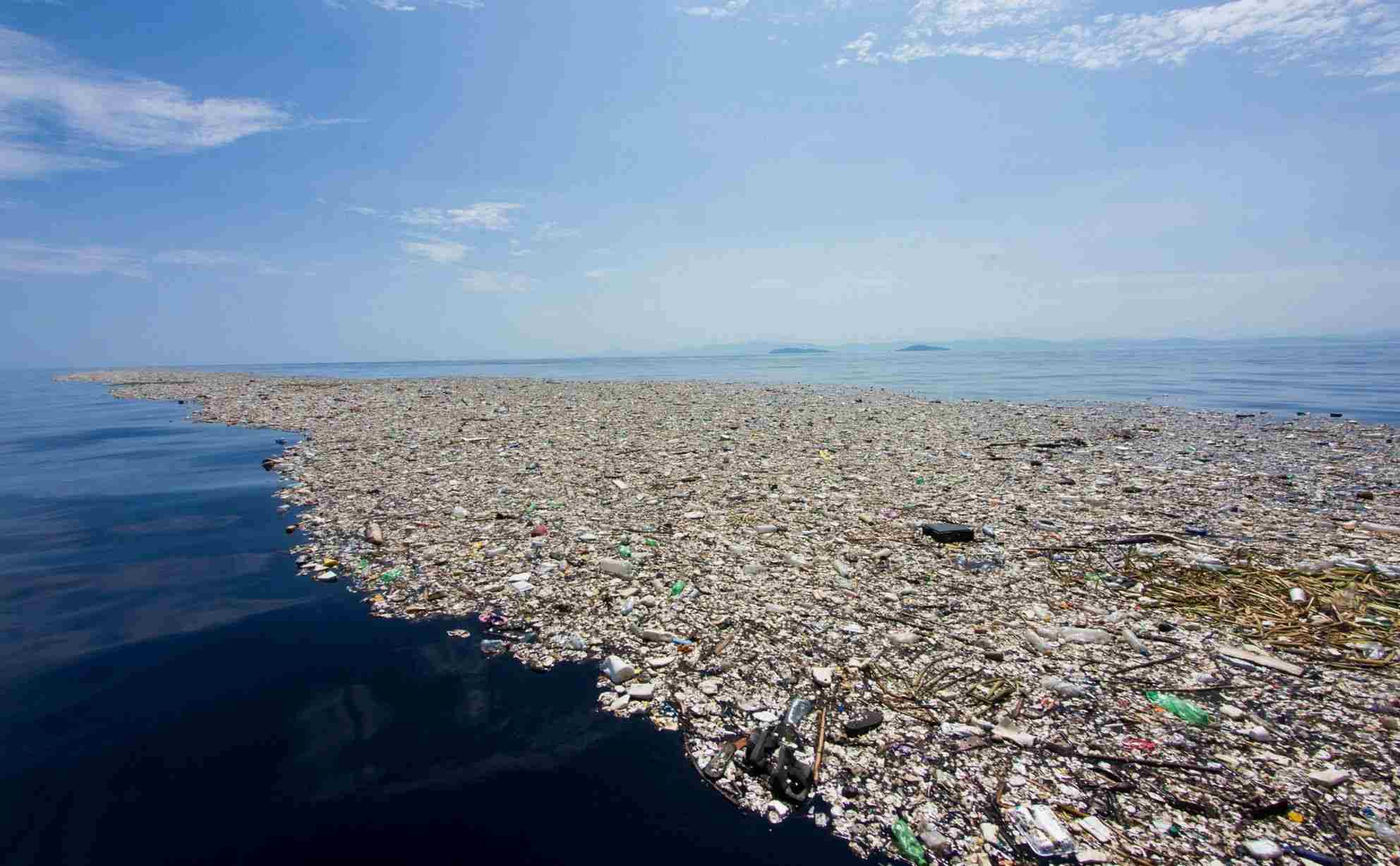
In recent years, the international community attaches great importance to plastic pollution. To date, 8.3 billion tons of plastic has been produced with a very low recycling and reusing rate. Only about 9% were recycled, 12% burned, 79% left behind in landfills or natural environment, resulting in serious marine pollution. Marine life is now facing an unprecedented survival crisis.
In order to control plastic pollution and protect the global environment, reducing plastic consumption has gradually become a global consensus. Restrictions on plastic use have been carried out in many countries. In this context, the biodegradable plastics industry is developing rapidly.
Legislations to regulate plastic use have been adopted in many countries.
At present, it has become a global consensus to curb plastic pollution, many countries and regions have launched relevant regulations and policies. The plastic regulations and bans push forward the rapid growth in biodegradable plastic industry.
| Time | Country | Policy |
| 2011 | Italy | The production, sale and use of non-biodegradable plastics has been banned since 2011. |
| 2013 | FranceSpain | Ban the sale of PE shopping bags, which took effect since 2014 |
| 2016 | France | All disposable non-degradable plastic bags and plastic tableware will be banned except degradable plastic products by 2020. |
| April, 2018 | Australia | Australian States have signed an agreement: by 2025, the goal of 100% recyclable, reusable or degradable packaging will be achieved nationwide. |
| May, 2018 | Spain | Businesses will not be allowed to provide plastic bags to customers for free, and all non-biodegradable plastics will be banned from 2021. |
| July, 2018 | Mongolia | The sale or use of single-use plastic bags will be banned from March 1st, 2019. |
| Aug, 2018 | Chile | Become the first country in South America to issue the «plastic ban». |
| Aug, 2018 | New Zealand | Plastic bags will be banned nationwide from 2019. |
| Dec 2018 | Austria | Legislations have been initiated to ban all non-degradable plastic bags. |
| 2018 | The European Union | At present, most countries in the European Union control the use of plastic bags by increasing the price or tax of plastic bags. |
| 2008 | China | Prohibitions and restrictions on the production, sale and use of some plastic products will be carried out in some areas, and gradually across China. |
Global Market Demand of the biodegradable Plastic, 2012-2018 (Kilotons)
Developments of biodegradable plastic in the global context of reducing plastic use
Biodegradable plastic refers to polymer materials that can be degraded by microorganisms such as bacteria, molds and algae existing in nature after being discarded. Biodegradable plastic can be used in plastic packaging, medical treatment, agriculture, automobile, electronic industry, daily necessities and other fields. It is one of the important means to reduce plastic pollution. and the research on biodegradable plastics has been paid more and more attention all over the world. At present, PLA, PBAT, PBS, PHA, PCL and starch-based degradable plastics have been studied.
With more focus on the research on biodegradable plastic,
- Textile Fibres
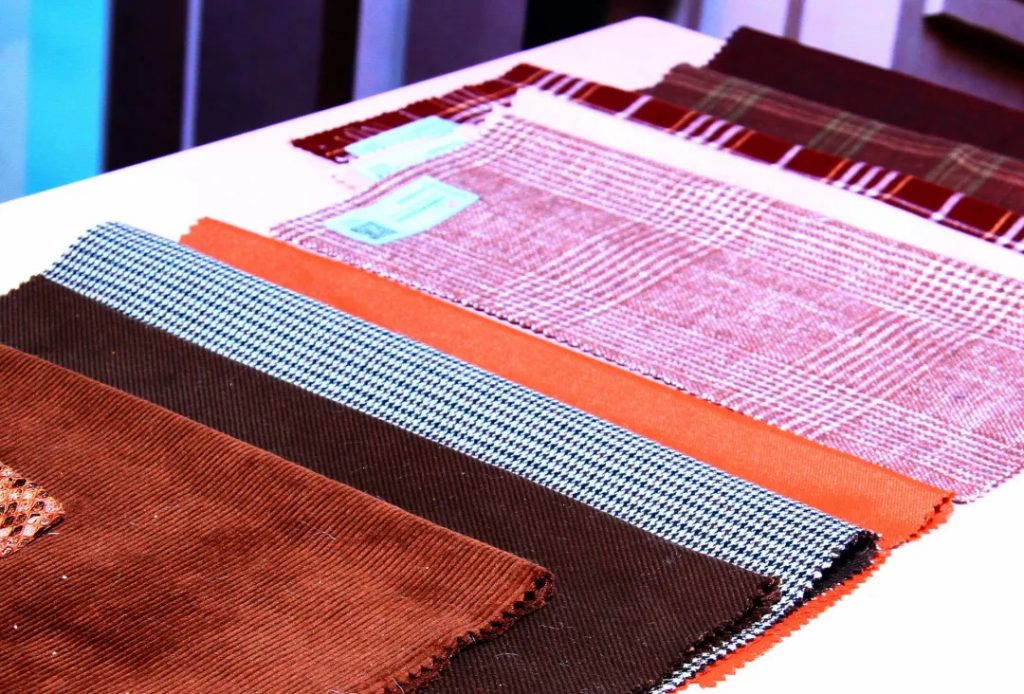

- Sheets and Thermoformed Products

- Products for Agriculture, Forestry, Fishery and Animal Husbandry

- Products for Automotive Industry


- Medical 3D Printing

Challenges in the development of biodegradable plastics
Although relevant research and practice have been done on biodegradation technology at home and abroad, there are still some problems in its development process:
- The price of biodegradable plastic is high, 5~10 times that of general plastic, hence, not easy to be scaled up.
- The preparation and degradation technology is not mature, some biodegradable materials can only be partially degraded, and the complete degradation of the plastic requires complex processes during which harmful substances would be generated.
- Lack of relevant policies, laws and regulations on this technology
- Consumers’ lack of awareness of the importance of replacing non-degradable plastic with degradable plastic
The future of biodegradable plastic
At present, the application fields of biodegradable plastics are still few, and the market share is still low, mainly because the price of biodegradable plastics is on the high side, and its comprehensive performance is not as good as that of ordinary plastics. In the future, with the further research of biodegradable plastics technology, the further reduction of cost and the improvement of national attention to plastic environmental pollution, its application market is expected to be further expanded.


